One of Tallahassee's oldest post-war canopy neighborhoods, Betton Hills pairs mature live oaks and pines with decades-old housing stock — a combination that calls for a fence crew that knows how to work around root systems and replace tired old post lines without tearing up the yard.
An early post-war Tallahassee suburb where mature trees and older housing stock shape every fence job.
Betton Hills traces its roots back to an 1841 land purchase by Turbett Betton, but the neighborhood most residents know today took shape between the 1940s and 1960s, with additional streets filled in through the 1970s and 80s. That makes it one of Tallahassee's oldest post-war suburbs — a distinction that shows up in the size of its trees as much as the age of its homes. Roughly 800 to 1,100 houses sit on lots that have had 60-plus years to grow in, and the tall pines and mature live oaks that shade Betton Hills' streets are exactly why locals call it a "canopy neighborhood."
That canopy is a genuine asset for curb appeal and shade, but it complicates fence work in a way newer subdivisions rarely experience. A live oak planted in 1955 has a root system that has had seven decades to spread, and by now those roots routinely cross the exact line where a new fence needs to go in. Betton Hills sits between Thomasville Road and Centerville Road, close to both Downtown and Midtown, and near the Tallahassee Memorial hospital campus — a location that keeps it walkable to the urban core while still feeling like a mature, established residential neighborhood rather than an extension of downtown.
Tallahassee Fence Masters works in Betton Hills regularly, and our crews are used to treating every job here as a "check for roots first" job rather than a standard dig-and-set install. That's the difference between a fence that lasts and one that starts leaning within a few years because a post was set into a root ball instead of solid soil.
Decades-old trees and decades-old fence lines both need a different approach.
Because Betton Hills' tree canopy has been growing since the mid-20th century, mature oak and pine roots frequently run directly beneath where a fence line needs to sit. Cutting through a major root to save time isn't good practice — it risks the tree's stability and often leads to a fence post that shifts once the severed root decays underground. Our crews hand-dig around significant roots and, where needed, adjust post spacing or placement slightly to avoid them entirely, without moving the fence line off the actual property boundary.
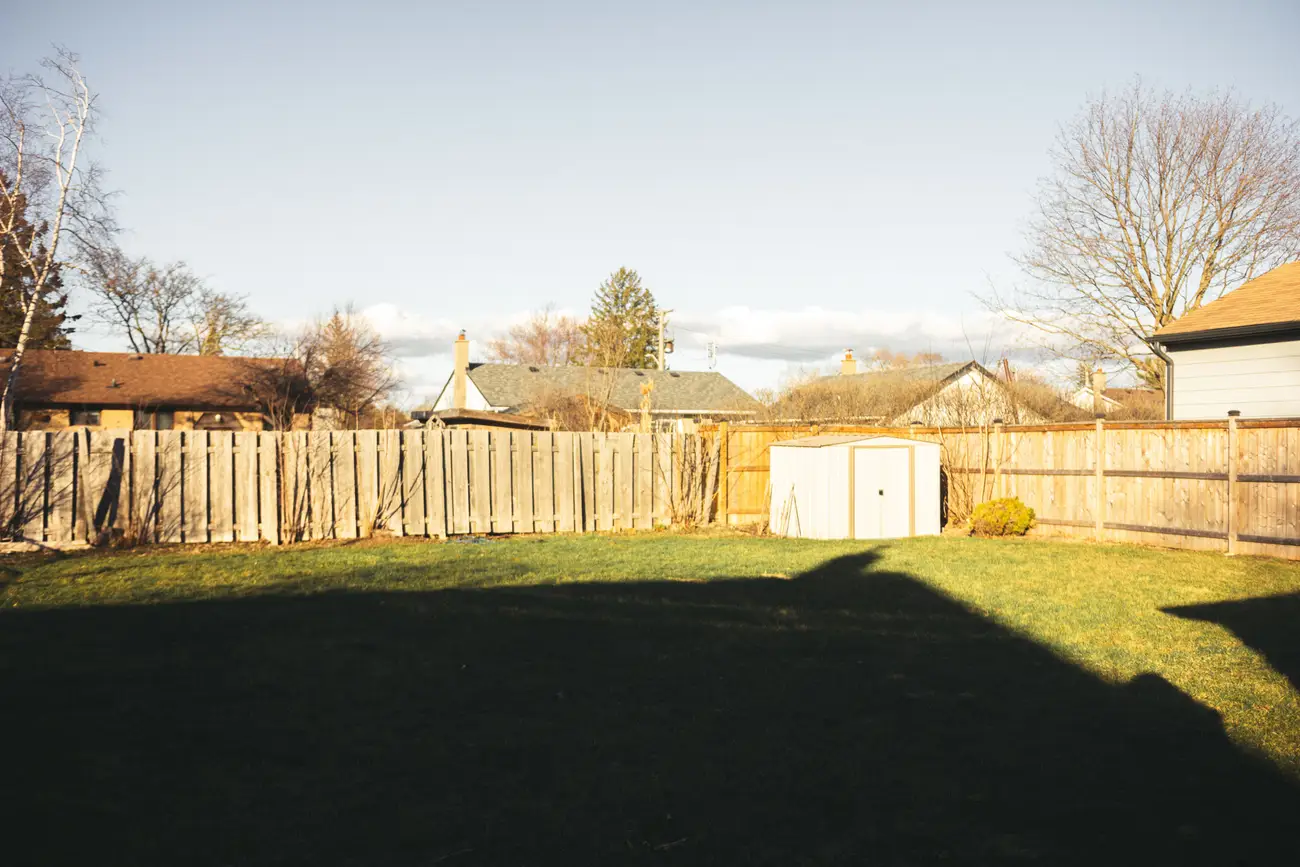
The other side of an older neighborhood is older fencing. A lot of Betton Hills homes still have original or long-since-repaired wood fences from decades past, and those posts and pickets are well past the point where another patch repair makes sense. We see a steady stream of full fence replacement work here for exactly that reason — not storm damage, just wood fencing that has quietly aged out.
70-plus-year-old live oaks and pines mean roots commonly cross planned post lines, requiring hand-digging or careful placement.
Original or long-repaired wood fencing from the mid-century build-out is a common replacement candidate across the neighborhood.
Larger, mature lots near Thomasville and Centerville Road corridors often want fuller privacy fencing than newer, tighter subdivisions.
The install and repair work this neighborhood's older lots and mature trees call for most.
Our full Betton Hills fence installation and repair page — start here for an area-specific estimate.
Repairing or replacing the aging wood fence lines common on Betton Hills' older lots.
Full-yard privacy fencing sized for Betton Hills' larger, established lots.
New gate installs and repairs to match Betton Hills' established fence lines.
Betton Hills is overwhelmingly residential, with a small cluster of offices near its edges.

Betton Hills is predominantly single-family residential, and most of our work here is exactly that — homeowners on established, tree-shaded lots who need a new privacy fence, a boundary line reset, or a full replacement of fencing that's simply outlived its wood. The neighborhood is also home to an active, engaged neighborhood association, and while it isn't a fee-based HOA with architectural-review authority like some of Tallahassee's planned communities, residents here do tend to care about how a new fence looks against the neighborhood's older, tree-lined character.
There's also a smaller but real slice of professional and medical office fencing work, concentrated near the Thomasville Road corridor and the edge of the neighborhood closest to the hospital campus. These properties typically need lower-maintenance perimeter or privacy fencing rather than the taller residential privacy fences more common deeper in the neighborhood's interior streets.
Betton Hills sits in a genuinely convenient spot — close enough to Downtown and Midtown to walk or bike to either, but built with the kind of mature, tree-shaded residential character that neither of those denser areas can replicate. That combination of location and canopy is exactly why the neighborhood has held its value and its identity for so long, and it's also why fencing work here looks different from a newer subdivision on the edge of the city.
The Betton family's original 1841 land purchase set aside 960 acres in what's now central Tallahassee, but the neighborhood most people recognize as Betton Hills wasn't platted and built out until the 1940s through 1960s, with a handful of additional streets added in the 1970s and 80s. That's old enough for the tall pines and mature live oaks planted during the original build-out to have developed extensive, well-established root systems — the same root systems our crews plan around on nearly every job in this neighborhood.
Betton Hills is unusually well-supplied with green space for a neighborhood its size — Winthrop Park, McCord Park, Harriman Circle Park, Chittendon Park, and the Betton Nature Center are all within the neighborhood itself. Homes that border any of these city-managed spaces often need boundary or perimeter fencing that clearly marks private property against shared park land, which is a slightly different job than a standard side-yard or backyard fence between two private lots.
Betton Hills sits between Thomasville Road and Centerville Road, placing it within easy reach of Downtown Tallahassee, the Midtown shopping and dining corridor, and the medical offices clustered near the Tallahassee Memorial hospital campus. That proximity brings a small amount of professional office fencing work into the mix alongside the neighborhood's dominant residential base, without changing the fundamentally single-family character of the interior streets.
Unlike Tallahassee's larger planned communities such as Killearn Estates, Betton Hills is represented by an active neighborhood association rather than a dues-collecting HOA with formal architectural-review authority. That means there's generally more flexibility in fence style and material here than in an HOA-governed subdivision, though most homeowners still aim to keep new fencing in keeping with the neighborhood's established, tree-lined look.
If you're in Betton Hills and thinking about a new fence, a repair, or a full replacement of an aging wood fence line, our crews already know this neighborhood's root patterns and older lot layouts. See our Betton Hills fencing installation page for project-specific details, or call directly for a straightforward estimate.
Straight answers — no clicking around.
Root-aware crews, straight answers, one phone number.
(877) 544-9363