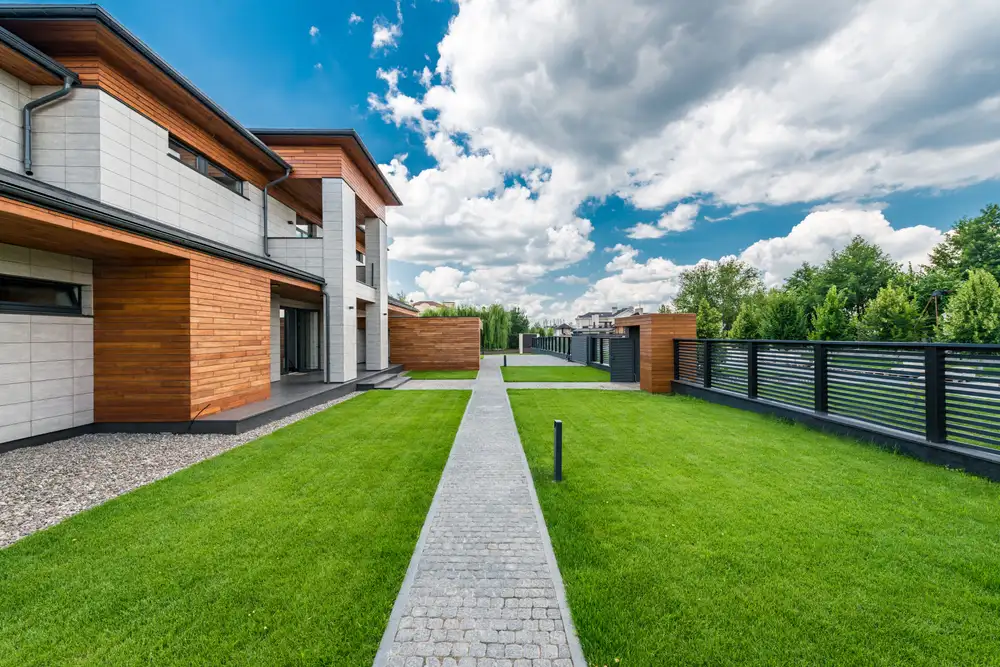
Collegetown is the dense, mixed-use district directly south of Florida State University along Gaines Street — student-oriented condos and apartments, boutique retail, and restaurants packed onto tight, redeveloped urban lots. Tallahassee Fence Masters builds security, pool-safety, and commercial fencing sized for exactly that mix.
A formerly industrial corridor now packed with student housing, retail, and restaurants.
Collegetown sits on the city blocks bounded roughly by Gaines Street, West Madison Street, Woodward Avenue, Lorene Street, and Collier Street — directly south of the Florida State University campus and extending south toward Lake Elberta. It wasn't always this way: the district was a heavy-industrial zone before a redevelopment effort that began around 2013 turned it into the mixed-use entertainment and residential corridor it is today, anchored by the "CollegeTown at Madison Street" development. What used to be warehouses and rail-adjacent industrial lots is now student-oriented condos and apartments, boutique retail, coffee shops, and restaurants, all sharing blocks and, in some cases, sharing property lines.
That redevelopment history is exactly why Collegetown's fencing needs look different from almost anywhere else in this service area. There's little of the mature tree canopy that shapes fence work in Tallahassee's older residential neighborhoods — Collegetown is a built-up urban corridor, not a wooded subdivision — so root systems are rarely the concern here. Instead, the driving factors are tight, shared urban lots, a genuine mix of residential and commercial use on the same blocks, and a population that skews heavily toward FSU students, young professionals, and visitors rather than long-term homeowners.
Tallahassee Fence Masters works with the property managers, landlords, and small business owners who make Collegetown run, installing fencing that holds up to constant turnover and heavy foot traffic without needing a service call every semester.
Collegetown's fencing challenges come from density and foot traffic, not trees or storms.
Because Collegetown redeveloped from an industrial corridor into dense mixed-use blocks, property lines here are tighter and more likely to be shared than in a typical suburban neighborhood — a retail storefront's patio fence might sit inches from an apartment complex's perimeter fence next door. That density means precise property-line work matters more here than almost anywhere else in the service area, since there's very little margin for a fence that drifts even a foot off the actual boundary.
Collegetown's proximity to FSU's campus and Doak Campbell Stadium also means game-day foot traffic and parking overflow are a recurring, predictable event rather than a rare inconvenience. Property owners near the stadium corridor often want fencing that manages crowd flow and protects a yard or lot from overflow parking and foot traffic on the handful of Saturdays each fall when tens of thousands of fans pass through the area.
Retail, restaurants, and student housing sharing blocks means precise property-line fencing matters more than in a typical subdivision.
Proximity to Doak Campbell Stadium brings predictable seasonal crowds and overflow parking that fencing needs to manage.
Apartment and condo complexes with shared pools need code-compliant safety fencing around amenity areas.
The commercial, security, and amenity fencing this district's density calls for most.
Our full Collegetown fence installation and repair page — start here for an area-specific estimate.
Perimeter and patio fencing for retail, restaurants, and mixed-use storefronts.
Durable security fencing for student-rental and multi-unit apartment properties.
Ornamental aluminum for upscale condo frontage and mixed-use street presence.
Pedestrian and access gates for apartment complexes and shared-lot commercial properties.
Collegetown's customer mix looks more commercial than a typical residential neighborhood.

Collegetown's fencing customers skew heavily toward property managers and business owners rather than single-family homeowners, which reflects the district's built-up, mixed-use character. Student-rental and multi-unit apartment landlords need security fencing that holds up to constant tenant turnover with minimal maintenance calls. Restaurant and retail operators along the Gaines Street corridor need clean perimeter or patio fencing that reads as an asset to a storefront rather than an obstacle. FSU-adjacent commercial tenants and office operators need fencing that fits a professional streetscape. And apartment and condo complexes with shared pools or amenity spaces need code-compliant safety fencing around those areas — a requirement that comes up often in a district built almost entirely around multi-unit housing.
Collegetown's story is one of transformation — an industrial corridor turned into one of Tallahassee's densest mixed-use districts in barely a decade. That transformation is exactly why fencing here looks so different from the rest of the city's service area, and why we approach nearly every job in Collegetown with a different set of questions than we'd ask on a suburban lot in Killearn Estates or Betton Hills.
Before roughly 2013, the blocks that make up Collegetown were industrial — warehouses, rail-adjacent lots, and light manufacturing rather than housing or retail. The "CollegeTown at Madison Street" development and the mixed-use boom that followed replaced that industrial base with student-oriented condos and apartments, boutique retail, and restaurants, almost all built within the same decade. That means Collegetown's fencing needs skew modern and commercial from the start — there's very little legacy fencing to repair or match, and most jobs here involve either new installation for a recent build or security upgrades for an existing multi-unit property.
Because Collegetown redeveloped at high density on a compact urban footprint, property lines between adjacent commercial and residential lots are tighter than almost anywhere else in this service area, and shared-wall or shared-lot situations are common. We verify boundaries carefully before any post goes in, since there's little tolerance here for a fence line that drifts even slightly off the actual property boundary.
Collegetown sits close enough to Florida State University and Doak Campbell Stadium that fall Saturdays bring a completely different set of pressures than an ordinary weekend — tens of thousands of fans moving through the district, overflow parking on side streets, and foot traffic that a typical residential fence was never designed to manage. Property owners near the stadium corridor often ask us specifically about fencing that can hold up to that seasonal surge without needing repair every year.
With so much of Collegetown built as apartment and condo complexes rather than single-family homes, shared pools and amenity spaces are common, and code-compliant pool safety fencing is one of our more frequent calls in this specific district compared to the rest of the city.
Collegetown sits directly south of Florida State University, a natural geographic neighbor worth knowing about if your property is anywhere near the campus edge, and Doak Campbell Stadium sits on FSU's campus footprint immediately adjacent to the district — both are useful reference points for game-day-related fencing questions. For fencing needs elsewhere in the city, our Tallahassee overview page covers every neighborhood we serve.
Straight answers — no clicking around.
Commercial, rental, and amenity fencing — one phone call away.
(877) 544-9363