The FSU Corridor as Its Own Fencing Market
Tallahassee's housing market is shaped as much by its three colleges as by any other single factor, and nowhere is that more visible than the corridor bordering FSU's campus. The university's presence has driven decades of purpose-built student housing development along Pensacola Street and West Tennessee Street, while older single-family blocks closer to the Frenchtown boundary have gradually converted from owner-occupied homes to rental stock as the student population grew. The result is a fencing market that looks almost nothing like the HOA-governed suburbs on the other side of the city.
Why Rental-Focused Fencing Differs From Standard Residential Work
A homeowner picking fencing for a forever home optimizes for how it looks and how long it lasts under normal family use. A landlord picking fencing for a student rental optimizes for a different set of variables entirely: how well it survives the wear of new tenants every year, how quickly it can be repaired if damaged, and how little it costs to maintain over a five- or ten-year rental cycle. That's precisely why vinyl and chain-link consistently outperform wood as a rental fencing choice near FSU — not because wood is a worse material in general, but because it demands more upkeep than most absentee landlords want to schedule between leases.
The Frenchtown/FSU Boundary Area
FSU sits at the edge of Frenchtown, and the blocks along that boundary carry a genuinely mixed character — university-driven rental density on one side blending into Frenchtown's older residential and historic fabric on the other. Fencing work in this transition zone sometimes calls for judgment calls about which context a given property really belongs to, and we make those calls based on the actual property and its use, not just which side of an informal line it happens to sit on.
Doak Campbell Stadium and the Broader Campus Footprint
Doak Campbell Stadium sits within FSU's overall campus footprint, and the general Collegetown corridor around the stadium shares much of the same rental-driven housing character as the blocks closer to Frenchtown. Properties near the stadium see an additional wrinkle around gameday foot traffic and parking demand, which sometimes factors into perimeter fencing decisions for both commercial lots and residential properties that rent out space on football weekends.
Material Choice Matters More Near a Campus Corridor Than Almost Anywhere Else
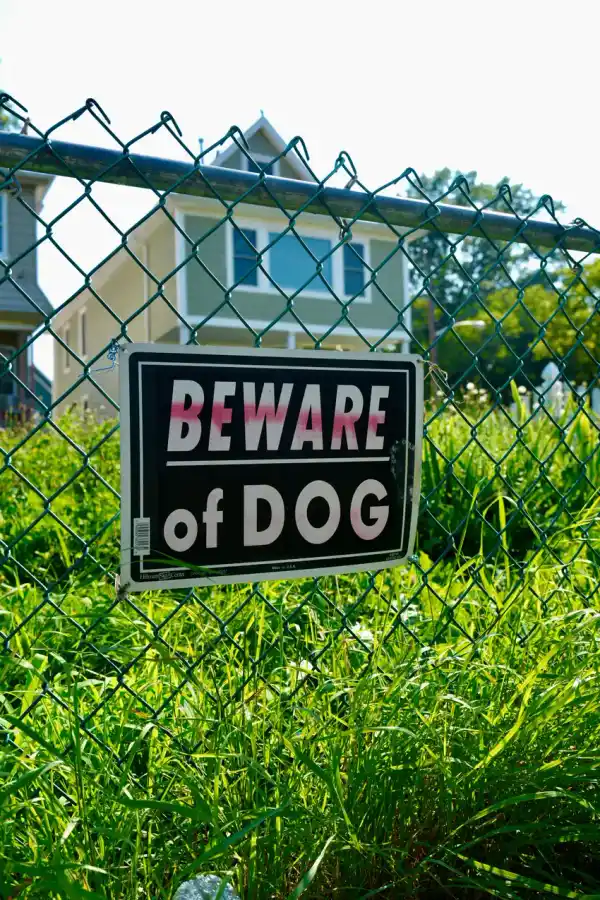
On a standard owner-occupied property, a fencing contractor can lean on a homeowner's stated style preference and call it done. Near FSU, the calculus runs the other way — the property owner is frequently not the person living behind the fence day to day, and the fence has to perform for a tenant it was never designed with in mind. That's the reasoning behind why vinyl and chain-link dominate quote requests in this corridor: vinyl panels resist the humidity and UV exposure that would otherwise warp or discolor a wood fence within a few rental cycles, and chain-link, while less private, gives a landlord a durable, low-cost perimeter that's simple to patch section by section if a panel gets damaged rather than requiring a full-run replacement.
We also see a fair number of requests for a hybrid approach — a privacy-grade front section facing the street for curb appeal, paired with more utilitarian fencing along side and rear property lines where visibility matters less than durability and cost. It's a compromise that works well for landlords balancing a property's rentability against a realistic maintenance budget, and it's a conversation we have often enough near FSU that we can usually price it out on the same call as the initial estimate.
Older Homes Converted to Rentals Need a Different Kind of Assessment
Because so much of the housing stock immediately surrounding FSU predates its current use as rental property, a fence replacement quote here often starts with an honest look at what's actually salvageable versus what needs to come out entirely. A partially collapsed wood fence on an older converted rental might look like a simple repair from the street, but once our crew is on-site it's common to find enough rot in the remaining posts that a full tear-out and rebuild is the more cost-effective call for a landlord in the long run. We'd rather flag that upfront than quote a patch job that fails again within a year.
Whether you're a landlord managing several properties near campus, a property manager overseeing student housing, or a homeowner further out along this corridor, see our fence installation services near Florida State University or call Tallahassee Fence Masters for a fencing estimate built around how your property actually gets used.