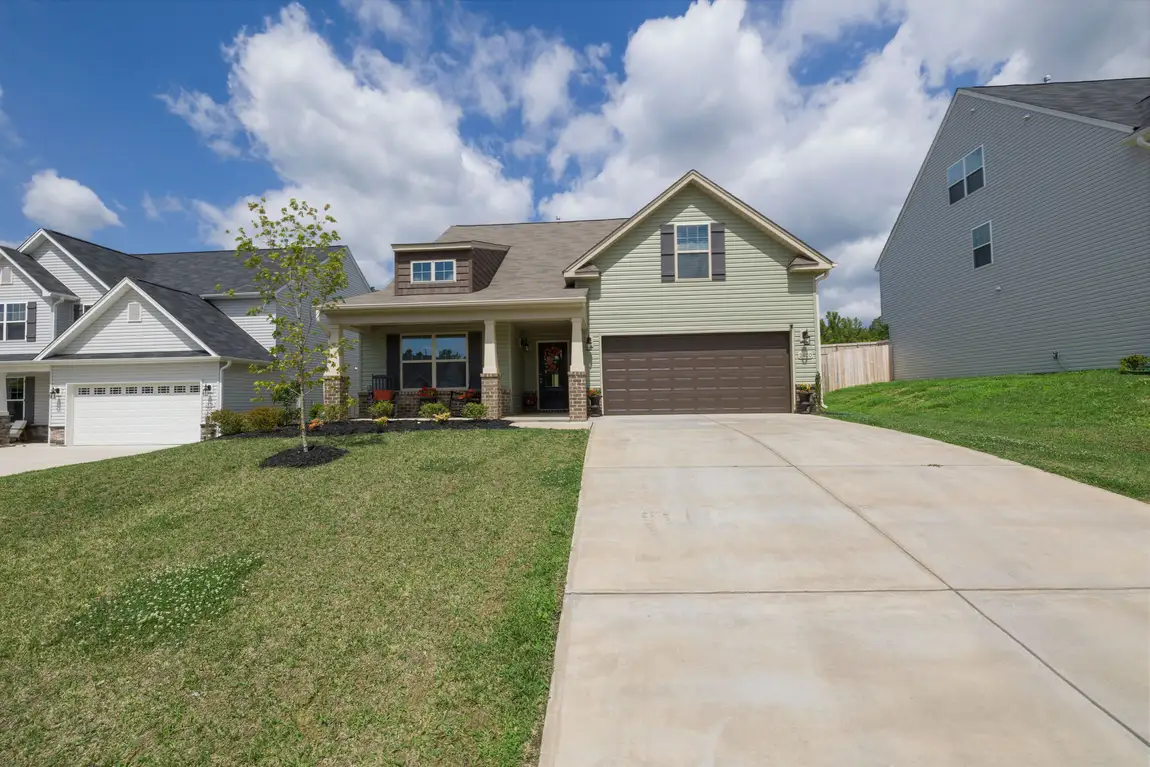
A shallow, historic prairie lake on the north side of Leon County and the older, larger-lot neighborhood around it — where fencing needs run more toward acreage perimeter work and fence replacement than tight in-town lots.
Lake Jackson shapes this neighborhood's lots, its history, and how we set fence posts near the water.
Lake Jackson is a genuine, named shallow prairie lake on the north side of Leon County, roughly 7.5 miles long and covering about 6.2 square miles — though "roughly" is doing a lot of work in that description, because this lake's surface area has never stayed the same for long. At an average depth of only about 6 feet, it's more wetland-prairie than deep freshwater lake, and the residential area that grew up around its shoreline in northwest Tallahassee reflects that same unhurried, semi-rural character: older homes, larger lots, open green space, and a lot more elbow room than you'll find in the tighter subdivisions closer to downtown.
Homeowners here tend to be on more established, more affordable properties than other Tallahassee waterfront addresses — recent median sale prices in the area run around $293,500, noticeably below what comparable lake-adjacent property commands elsewhere in Leon County. That affordability comes with real acreage in a meaningful share of listings, with some lots running a half-acre or more, partially fenced back sections, and yards that back up to open, undeveloped land rather than a neighbor's privacy fence six feet away. It's a genuinely different fencing environment than the rest of the city, and Tallahassee Fence Masters treats it that way — sizing every quote to the property in front of us rather than a one-size-fits-all suburban template.
Two factors drive almost every fencing decision here: the lake's natural rise-and-fall, and the age of the fencing already on these properties.
Lake Jackson has a well-documented natural dry-down cycle — more than a dozen recorded dry-downs since 1829, driven by sinkholes with names locals actually use, like Porter Sink and Lime Sink, along with bottom leakage and ordinary rainfall variability. This isn't a stormwater-flood risk in the way a low-lying downtown block might see after a heavy summer system; it's a slow, natural fluctuation in where the shoreline actually sits from one season, or one year, to the next.
That matters directly for fence-post footing near the water. A fence line set too close to a "high water" shoreline can end up standing in soft, previously-submerged ground once the lake drops, and a line set for a "low water" year can find itself closer to the waterline than a homeowner expected the next time the lake fills back in. We plan post placement and footing depth around that history rather than around whatever the shoreline happens to look like on the day we show up.
A documented pattern of sinkhole-driven lake-level changes going back to 1829 — relevant to how close to the shoreline we'll recommend setting a fence line.
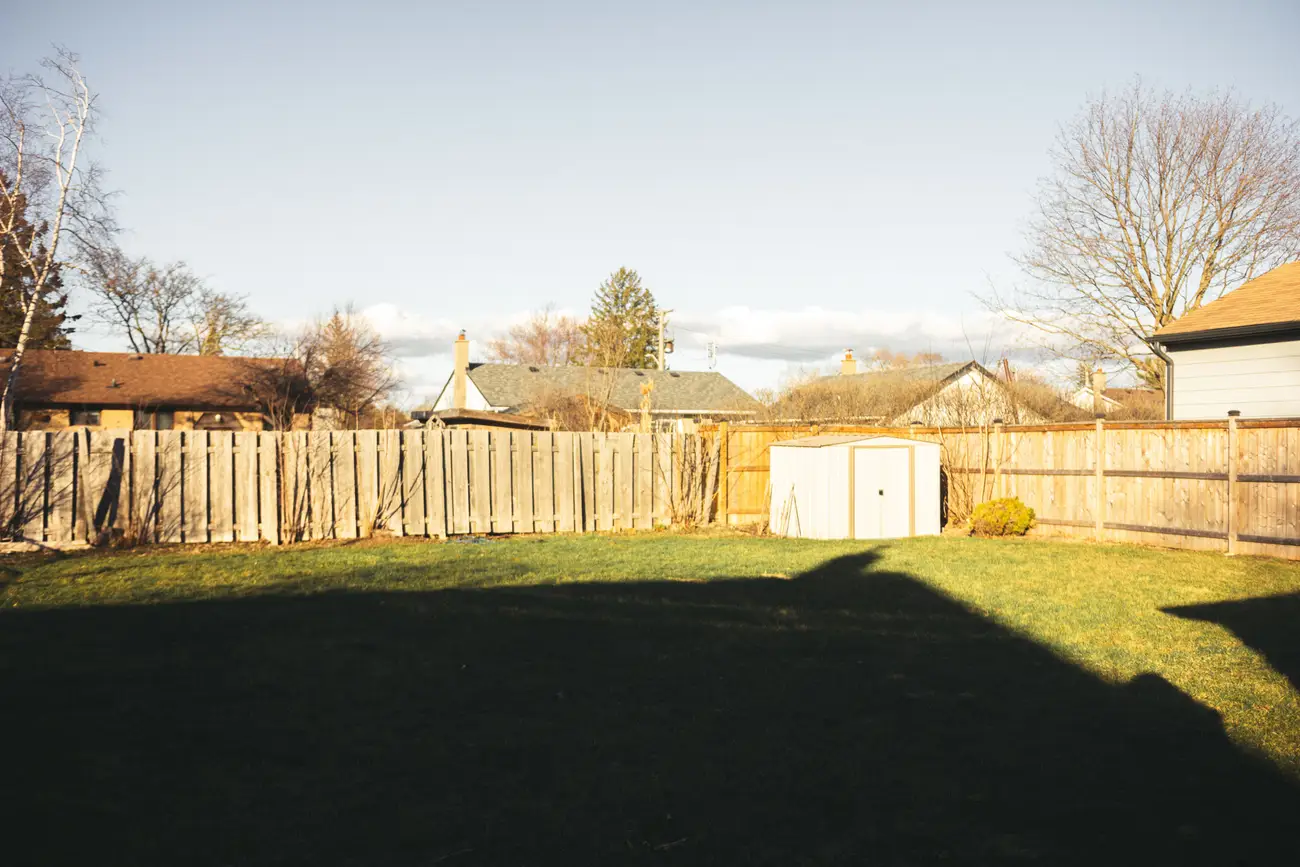
Predominantly older housing stock on the northwest side of the city means a lot of aging, worn wood fencing that's due for full replacement rather than patch repair.
Multiple Lake Jackson-area properties run a half-acre or more, with mixed open land and wooded sections that call for longer perimeter runs.
From acreage perimeter fencing to straightforward fence replacement.
Larger-perimeter fencing sized for Lake Jackson's half-acre-plus lots and mixed open/wooded parcels.
Classic wood fencing suited to this neighborhood's older, established character.
Repair for the aging wood fencing common on this part of Tallahassee's older housing stock.
See our full fence installation details specific to the Lake Jackson area.
A neighborhood of acreage and lakefront-adjacent property, not tight in-town parcels.

The Lake Jackson area is overwhelmingly residential and rural-residential, with essentially no commercial fencing demand — this is a neighborhood of homeowners, not offices or retail frontage. Some are longtime residents on modest, older lots close to the water. Others hold real acreage further back from the shoreline, with mixed open pasture-style land and wooded sections that need a different kind of fence line than a suburban backyard. A meaningful number of properties already have partial fencing — a fenced back lot with an open front, for instance — and simply need the rest of the perimeter completed to match.
Lake Jackson sits in a basin formed by limestone dissolution — the same karst topography found throughout Leon County, though here it's directly responsible for the lake's unusual behavior rather than just a general regional note. Sinkholes like Porter Sink and Lime Sink act as natural drains, and when they're more active the lake can drop dramatically or dry down almost entirely, exposing a lush, swampy lakebed that locals use for fishing access and open green space until the water eventually returns. That cycle has repeated more than a dozen documented times since 1829, which tells you this isn't a rare event — it's a known, recurring feature of living near this particular lake.
Because the lake's edge moves over time rather than sitting at a fixed elevation, we don't just look at where the water is on install day. We ask how a property has historically related to the lake — whether a given section of yard has been dry land for years or was recently exposed lakebed — before recommending post depth and footing. Soft, previously-submerged soil doesn't hold a post the same way established upland soil does, and skipping that judgment call is how you end up with a leaning fence line a year or two later.
The housing stock on the northwest side of Tallahassee, including around Lake Jackson, skews notably older and more affordable than newer subdivisions elsewhere in Leon County. That's good news for buyers looking for value, but it also means a lot of the existing fencing in this neighborhood has simply aged out — wood posts gone soft at the base, rail sections warped from decades of Florida humidity, gates that no longer latch square. Fence replacement, not just repair, is one of the most common calls we get from this part of the city, and it's usually a straightforward, honest conversation about whether a fence has more useful life left in it or not.
A meaningful share of Lake Jackson-area listings include genuine acreage — lots up to and beyond half an acre, some with partially fenced back sections already in place, others open from front to back. That changes the fencing conversation from "how do we make this backyard private" to "how do we run a durable perimeter across open pasture-style land, wooded sections, or both." It's closer to farm and ranch fencing than typical suburban privacy fencing, with different post spacing and material choices suited to longer runs rather than a tight quarter-acre lot.
Lake Jackson's position on the northwest side of the city puts it apart from the Killearn corridor to the northeast and the more central, tree-canopied streets of Betton Hills — this is its own distinct pocket of Tallahassee, with its own lake, its own housing history, and its own fencing needs. Whether you're replacing a worn wood fence near the water or fencing off a larger parcel further back from the shoreline, we size the job to your specific property rather than assuming it looks like fencing anywhere else in the city.
Straight answers — no clicking around.
Acreage perimeter fencing, fence replacement, and shoreline-aware installs for northwest Tallahassee.
(877) 544-9363